Category: Air Quality
 December 1, 2025

What indoor air quality strategies do you have in place to make your home a healthier place to live? This might not be a question you have asked but one that your home would benefit from. Creating a healthy living environment involves looking at all aspects of the home and how you live in it. Here are 5 strategies to consider that will help to improve your indoor air quality.
Controlling the moisture in your home is a critical aspect of a healthy home. Too much moisture can lead to mold and mildew growth and if not controlled can cause a wide range of health issues. For most of us, when we think of moisture in the home we immediately jump to the bathroom and using the shower. While the shower is a major contributor to moisture in the home, there are other areas that need addressing as well:
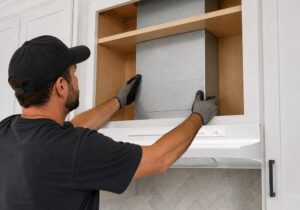
Kitchens – Most homeowners don’t think of the kitchen as a source of moisture but it can quickly become one both from usage and maintenance. Things like boiling water, making coffee and most everyday cooking will produce moisture. If not properly mitigated, this moisture will build up over time and can cause some serious issues in your home. Using a range hood is one of the easiest solutions. A second source of moisture is a maintenance issue. That leaky pipe under the sink, the little puddle of water around the fridge, or the water that always seems to be around the faucet all can turn into something much bigger if not taken care of right away.
Laundry Rooms – With bathrooms and kitchens, many homes across the country have some type of strategy to remove moisture. Whether it is an exhaust fan, range hood or something else. When it comes to the laundry room, it can be a forgotten area. Laundry rooms produce moisture from items such as wet clothes, washers that might leak a little or from utility sinks. Making sure to clean up any spills, drips or puddles is important, but having an exhaust fan in the laundry room can have a real positive effect on your indoor air quality.
Basements – In many homes, the basement has become a living space or at least an area that is occupied as a laundry room, home gym and so on. Many basements also have a moisture issue. If your basement has a bit of a smell, feels humid or you can actually see water, you will need a strategy to mitigate the moisture. Some strategies might be easy, something like utilizing a dehumidifier. Others might be more advanced like installing a sump pump or needing to waterproof the walls.
No, we are not talking about a way to exit your home. We are talking about a way to exhaust the air out of it. Home ventilation is a very commonly overlooked item. Making sure to have exhaust fans in all of the bathrooms, power rooms, kitchen and even the laundry room is a first step. Exhaust fans will remove the moisture we just talked about above as well as other contaminates that build up in the home. Just breathing in your home will cause stale “bad” air to build up. This is the reason why building codes across the United States now require a continuously running exhaust fan in a central location of the home. This is sometimes referred to as a wholehouse exhaust fan. The purpose is to ensure the home has a constant source of ventilation to remove all the contaminated air that occurs from normal everyday living.
We just talked about a strategy to remove air, now we need one to replace it. When using an exhaust fan, it will create a negative pressure in your home as it draws the air out. To balance the pressure, the home will replace that exhausted air however it can. In older homes it will be from air leaks in the home. The common name for this is drafts. Things like open doors or windows are another place that air can come in. These are all fine, but you as the homeowner do not have control over them. In newer homes, there aren’t as many air leaks and if all the doors and windows are closed, the home is still going to find a way to balance. This can lead to air coming back through things like chimneys, heater flues and other locations you really don’t want air coming back in the house from. In both old and new homes, having a strategy for replacement air (otherwise known as fresh air or make-up air) is a must. A mechanical solution is your best option as it puts the control into your hands. A fresh air machine like the Air King QFAMD provides a controlled flow of fresh air into your home that you are able to place where you want and has settings to make sure the air coming in is not too humid, too cold or too hot. To make the air even better, you can also add an air filter to ensure only the best air is coming into the home.
We have talked about indoor air quality strategies that include exhausting air out of the home and bringing air into the home, but none of these work if they are not being used. A very common issue is the exhaust fans are not turned on or even the ones that are supposed to run continuously are turned off. There are a few ways to combat that.
Automate. Installing an exhaust fan with a humidity sensor built into the fan or that utilizes a humidity sensing wall switch provides an automated – set it and forget it way of ensure proper ventilation is happening. This can be very effective in bathroom settings but not as much in other rooms.
Combine room lighting with the Exhaust Fan. If you are installing an exhaust fan with a light, the two functions can be wired independently or together. To ensure the exhaust is utilized, you can wire the fan and light to operate together. You can also use this strategy and wire the room lighting with the exhaust fan. This can be especially effective when the fan is used in locations like laundry rooms, powder rooms and other locations that do not have a shower. In rooms with showers you will generally want/need to operate the exhaust fan longer than you are in the room and you probably do not want the light on if you are not in the room. These areas are better suited for a humidity sensor that we talked about above.
Education. Having everyone in the house educated on the benefits of good indoor air quality strategies can help get the household onboard. While we will suggest reading through all our blog posts over the years about proper ventilation to hopefully scare them into compliance, we do understand that might not be the most attainable path. Just basic education found in this post will hopefully help answer the “Why” questions.
Everything we have discussed up to this point are what we’ll refer to as reactive strategies. Exhausting items already in the home, removing moisture already in the home, bringing fresh air in once the stale air is exhausted. What we have not discussed is a proactive strategy of not having the contaminates in the home from the beginning. Most of us store items such as cleaners, detergents, paint and other chemicals in the home. These items can give off harmful gases that will negatively affect your indoor air quality. The best strategy is to store them outside the home as much as you can. That is not always obtainable. Storing your laundry detergent in the garage and having to go out to get it every time you do laundry is not exactly convenient, but doing an audit of all the chemical-based items in your home and removing as many of them as you can is a great starting place. From there, as we talked about above, having an exit (exhaust) strategy is the next best thing.
Having an indoor air quality strategy in place for your home is critical to the health of your home and those living in it. Taking a few steps – some more involved than others can greatly increase the quality of air you are breathing. For more information about exhaust fans, fresh air intake and range hoods, utilize the menu at the top of the page.