Category: Air Quality
 September 2, 2026
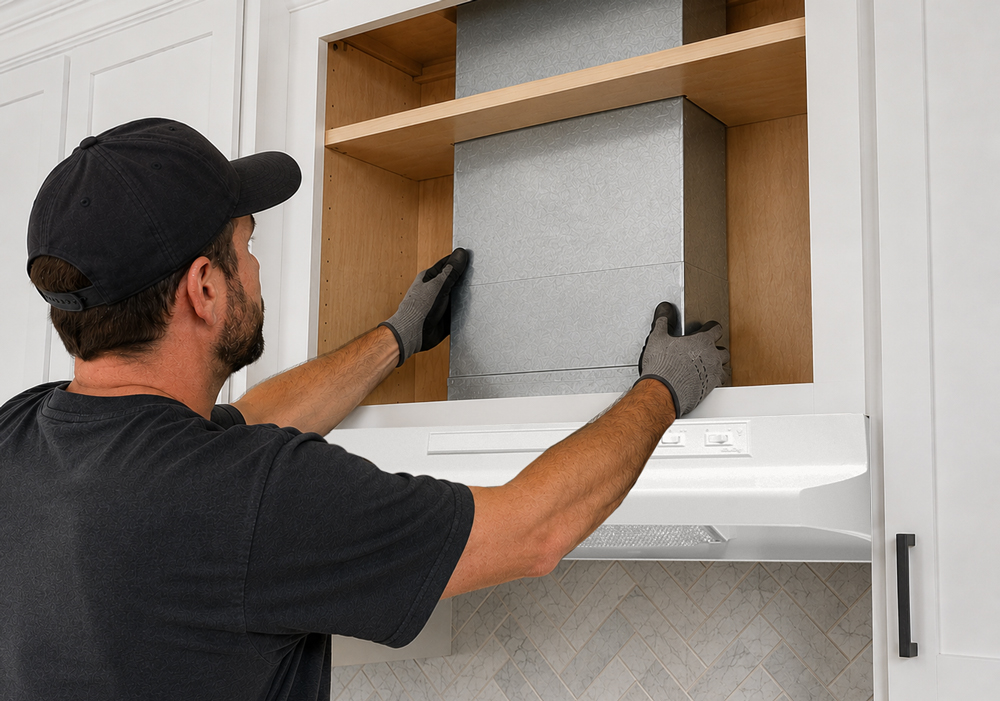
When installing a kitchen range hood, choosing the right ductwork is just as important as choosing the right hood. A range hood can only perform as well as the duct system allows. While flexible ducting may seem like an easy and inexpensive option, rigid ducting is generally the better choice for kitchen range hood ventilation. Rigid metal ductwork provides smoother airflow, better durability, easier maintenance, and a more effective path for removing cooking pollutants from your home. Here’s why rigid ducting should be your first choice when installing or replacing a kitchen range hood.
The primary purpose of a range hood is to capture and exhaust cooking air to the outdoors. The ductwork plays a major role in determining how effectively the hood can do that. Rigid ducting has a relatively smooth interior surface. This allows air to move through the duct with less resistance. Flexible ducting, on the other hand, typically has ridges and folds throughout its interior. Those irregular surfaces create additional turbulence and resistance to airflow. The result can be a range hood that doesn’t move as much air as expected. Smooth, rigid ductwork helps your range hood operate more efficiently.
Cooking produces more than odors. Grease, oil droplets, smoke, moisture, and other airborne particles can enter the range hood and duct system. The ridges inside flexible ducting can provide places where grease and debris may accumulate. Rigid metal ductwork has a much smoother interior, making it less likely to trap contaminants in the same way. This is particularly important for kitchen exhaust systems because accumulated grease can create unpleasant odors and make the ductwork more difficult to maintain.
Kitchen exhaust ducts can eventually accumulate grease and other cooking residues. A rigid metal duct provides a relatively smooth, accessible pathway that can be cleaned more effectively when necessary. Flexible ducting can be difficult to clean because its folds and bends can trap material. It can also be more difficult to access without damaging the duct. For a ventilation system that is designed to remove contaminants from your home, cleanability matters.
One of the biggest advantages of rigid ducting is right in its name: it’s rigid. Once properly installed, rigid ductwork maintains its shape. It doesn’t sag, collapse, or become easily compressed. Flexible ducting can become pinched or compressed during installation. Even a relatively small restriction can negatively affect airflow. A duct that has been squeezed behind cabinets, around framing, or through a tight space may significantly reduce the performance of the range hood. Rigid ductwork provides a more predictable airflow path.
Every bend in a duct system adds resistance to airflow. That’s why a good range hood installation should use the shortest, straightest practical route to the exterior. Rigid ducting makes it easier to create an efficient duct layout with gradual turns and minimal unnecessary bends. Instead of twisting and compressing a flexible duct around obstacles, installers can plan the duct route and use appropriately sized elbows and fittings. The goal is simple: Short + straight + smooth = better airflow.
Kitchen remodeling projects can last for decades, so the ventilation system should be built to last as well. Rigid metal ductwork is durable and resistant to tearing, crushing, and accidental damage. Once properly installed, it can remain functional for many years. Flexible ducting is more susceptible to damage during installation and future remodeling work. If you’re opening walls or ceilings to install a new range hood, this is an excellent opportunity to install a durable duct system that won’t need to be replaced every time the kitchen is renovated.
Range hood noise isn’t caused solely by the fan motor. Air turbulence within the duct system can also contribute to noise. The rough interior of flexible ducting can create additional turbulence as air travels through the system. Smooth rigid ductwork can provide a more efficient and consistent airflow path. While rigid ductwork won’t make a loud range hood silent, a properly designed duct system can help reduce unnecessary airflow noise.
Flexible ducting can be tempting because it is inexpensive and easy to install. However, the lowest installation cost isn’t always the lowest total cost. A poorly designed duct system can result in:
Spending a little more time and money on properly installed rigid ductwork can provide better performance over the life of the range hood.
Choosing rigid ducting doesn’t automatically guarantee good performance. The duct diameter should be appropriate for the range hood and its required airflow. Undersized ductwork can restrict airflow even if the duct itself is rigid and smooth. For example, installing a powerful range hood and then connecting it to a small duct can create a bottleneck in the system. Always follow the range hood manufacturer’s installation requirements and applicable building codes when determining duct size and configuration.
A range hood designed for outdoor exhaust should discharge the cooking air to the exterior of the building. Simply terminating the duct in an attic, crawlspace, wall cavity, or other concealed space defeats the purpose of mechanical kitchen exhaust and can introduce moisture, grease, and contaminants into areas where they don’t belong. The duct should terminate at an appropriate exterior location using a properly designed termination.
Flexible ducting does have applications in ventilation systems, and there are situations where it may be useful. However, for a kitchen range hood, it’s generally preferable to use rigid metal ductwork for the primary exhaust run whenever practical. If flexibility is needed to make a connection, it should be used carefully and installed according to the range hood manufacturer’s instructions and applicable codes. Avoid long runs of compressed, sagging, or excessively bent flexible duct.
Your range hood is only as effective as the system connected to it. Rigid metal ducting provides a smoother, stronger, and more durable path for exhausting cooking air from your kitchen. It can improve airflow, reduce restrictions, simplify maintenance, and help your range hood perform closer to its intended capacity. When planning a new kitchen or replacing an existing range hood, don’t focus solely on the CFM rating of the fan. Pay attention to the entire ventilation system. A high-performance range hood paired with a poorly designed duct system won’t deliver the results you expect. For the best performance, use the appropriately sized rigid metal duct, keep the route as short and straight as practical, minimize bends, and exhaust the air directly to the outdoors.
To learn more about Air King range hoods or other indoor air quality products, including exhaust fans and fresh air intake, use the tabs at the top of the page.